
Whole Food Plant Based Diet: Unlock Better Living
Whole food plant based diet changed my life. As a busy professional, I was struggling with my health. I had low energy, gained weight, and worried about chronic illness. Then, I found the whole food plant-based (WFPB) diet. It improved my health and gave me purpose
If you want to improve your health and energy, this guide is for you. It will help you understand the WFPB diet and how it can transform your life.
Table of Contents
Understanding the Whole Food Plant Based Diet
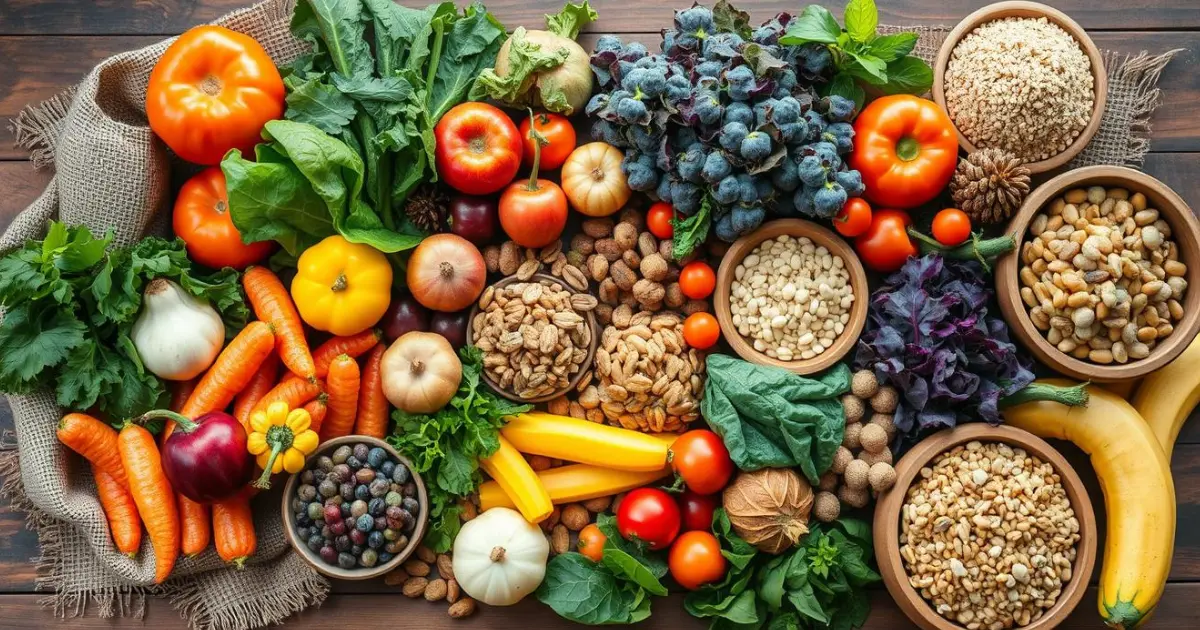
The whole food plant-based (WFPB) diet focuses on eating foods that are as natural as possible. It comprises fruits, vegetables, whole grains, legumes, nuts, and seeds. This diet is different from others because it encourages eating a variety of whole foods to get all the nutrients you need.
Benefits of a Whole Food Plant Based Diet for Health
Adopting a whole food plant based diet can significantly reduce the risk of heart disease and other chronic diseases, making it a powerful choice for overall wellness. Unlike processed foods that often contribute to Type 2 diabetes and high blood pressure, whole foods emphasize plant-based foods rich in nutrients that support cardiovascular health. Studies show that vegan diets, particularly the WFPB diet, can lower LDL cholesterol and help manage metabolic syndrome by focusing on whole grains and leafy green vegetables. This approach, backed by interventional studies, promotes better insulin resistance and even aids in preventing angina attacks, offering a natural way to combat oxidative damage through vitamins like Vitamin C and Vitamin E.
What Qualifies as Whole Food Plant Based
The WFPB diet centers on consuming whole, unprocessed plant foods, which includes a diverse array of fruits, vegetables, whole grains, legumes, nuts, and seeds The goal is to eat foods that are as natural as possible, without added sugars, oils, or artificial ingredients.
Difference Between WFPB and Other Plant-Based Diets
The WFPB diet is similar to veganism and vegetarianism but focuses more on whole foods. It emphasizes the quality and nutritional value of the foods you eat, unlike other diets. This makes WFPB eating a more complete way of living that focuses on health and well-being.
Environmental and Lifestyle Impacts
Beyond personal health, a whole food plant based diet contributes to a lower carbon footprint by minimizing climate-altering greenhouse gas emissions associated with animal agriculture, addressing climate change and biodiversity loss. Lifestyle medicine advocates this shift, comparing it favorably to the Mediterranean diet and DASH diet for managing joint pain and chronic conditions. By choosing whole foods over ultra-processed foods and processed plant-based foods, individuals can enjoy faux meats and plant protein options that align with food-based dietary guidelines, inspired by ancient Greece’s emphasis on plant-based eating. This sustainable choice not only benefits the planet but also supports a healthier gut microbiome and overall vitality.
Key Principles of WFPB Eating
- Prioritize a diverse range of whole, unprocessed plant foods
- Reduce or eliminate the consumption of animal products like meat, poultry, fish, eggs, and dairy.
- Avoid refined and processed foods such as white flour, added sugars, and unhealthy fats.
- Highlight nutrient-dense, fiber-rich foods such as fruits, vegetables, whole grains, legumes, nuts, and seeds.
- Promote environmental sustainability and animal welfare through plant-based choices
By following these principles, the whole food plant-based diet offers a complete approach to healthy eating. It supports your overall well-being, helps prevent diseases, and is good for the environment.
Essential Foods and Nutrients for Plant-Based Success
Starting a whole food plant-based (WFPB) diet is a big step towards better health. It focuses on eating foods that are full of nutrients and not too processed. Eating a variety of fruits, vegetables, whole grains, legumes, nuts, and seeds helps your body get what it needs.
Plant-based proteins like quinoa, lentils, chickpeas, tofu, and tempeh are key for your body. Leafy greens, nuts, and seeds are great for calcium and other minerals. Sometimes, you might need to take vitamins like B12 and D to keep your levels right.
To make a balanced WFPB plate, aim for half colorful fruits and veggies, a quarter whole grains, and a quarter legumes or plant-based proteins. Don’t forget to add healthy fats like avocados, olives, and nuts in small amounts.
| Nutrient | Essential Plant-Based Sources |
|---|---|
| Protein | Legumes, quinoa, tofu, tempeh |
| Calcium | Leafy greens, nuts, seeds |
| Iron | Lentils, spinach, cashews |
| Omega-3s | Flaxseeds, walnuts, chia seeds |
| Vitamin B12 | Supplementation may be required |
Exploring different plant-based recipes can help you nourish your body. With a bit of creativity, you’ll find many tasty and healthy options that are good for you.
Health Benefits and Scientific Evidence
Many studies show that a whole food, plant-based (WFPB) diet is very good for you. It emphasizes consuming foods that are as natural and unprocessed as possible. This diet helps prevent and manage many health issues, like heart disease, diabetes, and some cancers.
Practical Tips and Comparisons for Success
To make the transition smooth, focus on complex carbohydrates from whole grains and cruciferous vegetables, while being mindful of pesticide exposure in non-organic options. Experts like Dr. Ornish and Dr. Patrick Olson recommend starting with a plant-based nutrition program, even for vegetarian children, to build habits that enhance cardiovascular disease prevention. Compared to traditional diets, the WFPB diet can lower grocery bills through affordable staples like nuts and seeds, and it promotes better skin photoprotection via antioxidants that protect dermal connective tissue. For those concerned about tendon injuries or muscle repair, the collagen formation supported by plant foods ensures robust tissue optics and DNA interactions, as seen in studies from Orthopedic Partners and Connect Tissue Res using optical coherence tomography.
Disease Prevention and Management
A WFPB diet can greatly lower your risk of heart disease, the biggest killer worldwide. It has been proven to lower the risk of a recurring heart attack. It also helps control blood sugar and lowers the chance of getting type 2 diabetes.
For cancer prevention, the evidence is strong. Eating lots of fruits, veggies, whole grains, and legumes can lower the risk of some cancers. This includes cancers of the gastrointestinal and breast areas.
Weight Management Benefits
Keeping a healthy weight is easier on a WFPB diet because of its high fiber and low calorie content. People who eat this way often lose weight and get a better body shape. They have a lower BMI and waist size.
Research and Real-World Applications
Interventional studies highlight how a whole food plant based diet outperforms processed foods in reducing advanced glycation end products and supporting metabolic health. By prioritizing whole plant foods, individuals can achieve better outcomes for high blood pressure and insulin resistance, with benefits extending to mental health through improved unsaturated fats intake. This diet’s emphasis on plant-based proteins helps maintain bone density and prevents oxidative damage, making it a comprehensive approach to chronic disease management. Whether through online resources or community support, embracing this lifestyle can lead to lasting changes in cardiovascular health and overall well-being.
Environmental Impact
The WFPB diet is also good for the planet. It reduces your carbon footprint because animal-based foods need more resources and produce more emissions. By choosing plant-based foods, you help make food production more sustainable and reduce the harm of industrial farming.
In short, the science backs up the health and environmental benefits of a whole food, plant-based diet. Adding more plant-based foods to your diet can help prevent diseases, manage weight, and support a greener future.

Getting Started with Your Plant-Based Journey
Starting a whole food, plant-based (WFPB) diet is easier than you think. Begin by adding more fruits, veggies, whole grains, legumes, nuts, and seeds to your diet. At the same time, cut down on animal products. This slow change makes it more fun and doable.
First, fill your pantry and fridge with WFPB essentials. Always check food labels for the least processed options. Try out new plant-based recipes and meal plans to find tasty dishes that fit your diet. If you need help, talk to a registered dietitian for advice on getting all the nutrients you need.
Start with small steps, like skipping meat one day a week or adding more greens to your meals. Remember, it’s all about being consistent and patient. Soon, you’ll see how a whole food plant-based diet can be both healthy and enjoyable. It’s a journey to achieving better health and finding true happiness..