
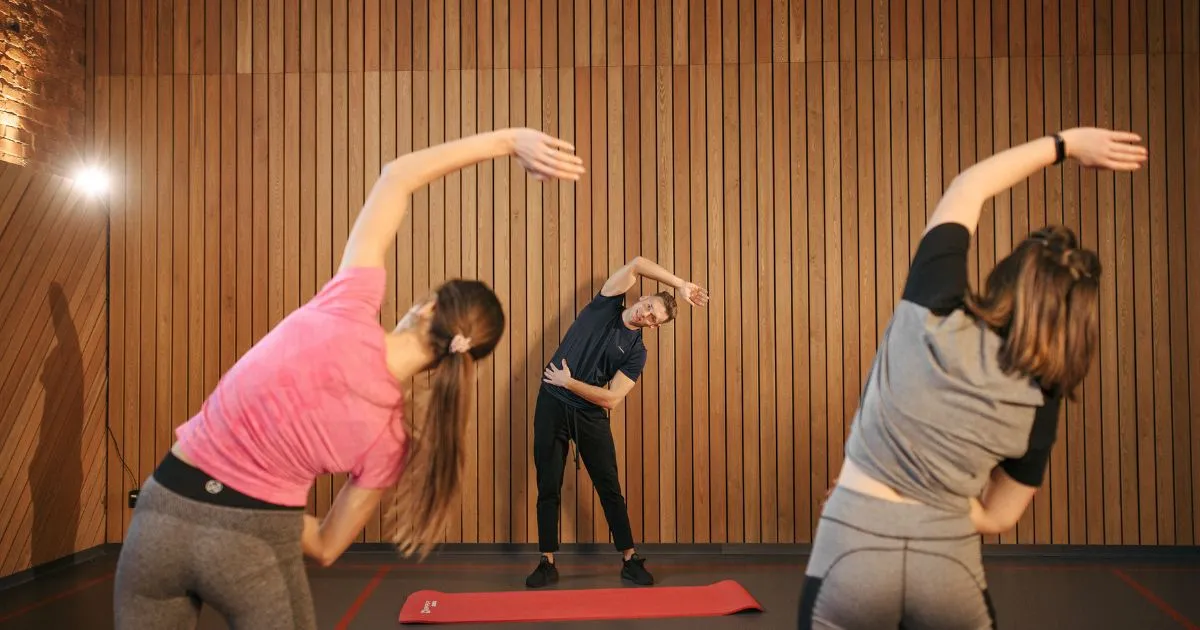
Essential Pilates Exercises for a Stronger Core
Pilates Exercises offer a unique and holistic approach to fitness, focusing on mindful movement, core strength, and total body awareness. Developed by Joseph Hubertus Pilates in the early 20th century, these exercises blend control, precision, and deep breathing patterns to build muscle strength, enhance flexibility, and promote postural alignment. Whether you’re seeking relief from low back pain, aiming to improve your physical foundation, or simply expanding your home gym routine, Pilates exercises are suitable for all levels. In this guide, we’ll explore the essentials of Pilates exercises—from Mat Pilates to advanced equipment work—to help you achieve better core stability, muscle tone, and overall well-being.
You’ll discover foundational principles, practical mat exercises like the Roll Up and Chest Lift, and learn how tools such as the Pilates ring, resistance band, and Wunda chair expand your exercise routine. We’ll answer common questions like, “How do Pilates exercises compare to Yoga?” and “Can Pilates improve muscular strength and flexibility?” You’ll also find expert advice from Pilates instructors, examples of specialized equipment like the Reformer, Spine Corrector, and Ladder Barrel, and tips for adapting Pilates exercises to your goals—be it core stability, pelvic floor strength, or a more mindful approach to fitness.
What Makes Pilates Exercises Unique?
Unlike high-impact routines or heavy lifting, Pilates exercises emphasize precise control and deep core engagement. At the heart of every Pilates workout are six principles—centering, concentration, control, precision, breath, and flow. These elements set Pilates exercises apart, making them particularly effective for building abdominal strength, improving spinal mobility, and enhancing overall muscle balance.
The Six Core Principles of Pilates
- Centering: All Pilates exercises begin with a focus on the “powerhouse”—your abdominal muscles, lower back, hips, and inner thighs. This mindset builds a strong physical foundation and prepares you for challenging exercises like the Roll Up and Control Balance.
- Concentration: Pilates is a mind–body discipline. Every exercise, from Knee Folds to Side Plank, demands focus, helping you refine your movement quality.
- Control: Originally called “Contrology,” Pilates exercises are performed with intention, avoiding injury and maximizing results.
- Precision: Proper form is key—whether executing a Single Leg Stretch on your exercise mat, or practicing Swan Dive on the Reformer.
- Breath: Coordinated breathing patterns engage deep core muscles, improve VO2 max, and enhance respiratory muscle strength.
- Flow: Transitions are seamless in Pilates exercises, promoting stamina and spinal articulation.
Getting Started: Mat Pilates Exercises for Beginners
Mat Pilates provides a practical entry point. You only need an exercise mat to perform foundational Pilates exercises that target core muscles, stabilization, and flexibility. Try these basic moves, which are popular in both gym classes and Pilates apps like Peloton App and Alo Moves.
The Hundred
An aerobic classic, The Hundred warms up the core and increases circulation.
- How to do it: Lying on your exercise mat, bring your knees to tabletop, extend your arms, and vigorously pulse them up and down while inhaling and exhaling in counts of five. Complete 10 sets.
The Roll Up
A key exercise for spinal mobility and abdominal strength.
- How to do it: Lying flat, extend your arms overhead. Roll up slowly, vertebra by vertebra, toward your toes. Control the movement with your core, and roll back down with equal control.
Leg Circles
These activate the hip flexors and challenge pelvic stability.
- How to do it: With one leg raised toward the ceiling and the other flat on the floor, draw circles with the elevated leg, keeping your pelvis stable. Switch legs after each set.
Rolling Like a Ball
This playful movement massages the spine and develops mind control and balance.
- How to do it: Sitting on your sit bones, hug your knees to your chest. Tuck into a C curve, roll back to your shoulder blades, and return to balanced sitting, resisting the urge to let your feet touch down.
Progressing Further: Intermediate and Advanced Pilates Exercises
As you master the basics, expand your Pilates exercises to include intermediate moves for increased muscle strength and flexibility. At this stage, try routines that target the posterior chain, back and hip extensors, and core stability.
The Teaser
A challenging V-sit requiring muscular strength and postural alignment.
- How to do it: Lie on your back. Using your core, roll up to a balanced V position, arms parallel to your legs, then control the descent back to the mat.
Swan Dive
Strengthens the back extensors while promoting spinal mobility.
- How to do it: Lying prone, lift the chest off the mat, extend your spine, and rock gently forward and back, using your powerhouse for support.
Side Leg Kicks
Activate your outer thigh and glute muscles while challenging pelvic stability.
- How to do it: Lying on your side, kick your top leg forward and back, maintaining upper body alignment and strong core engagement.
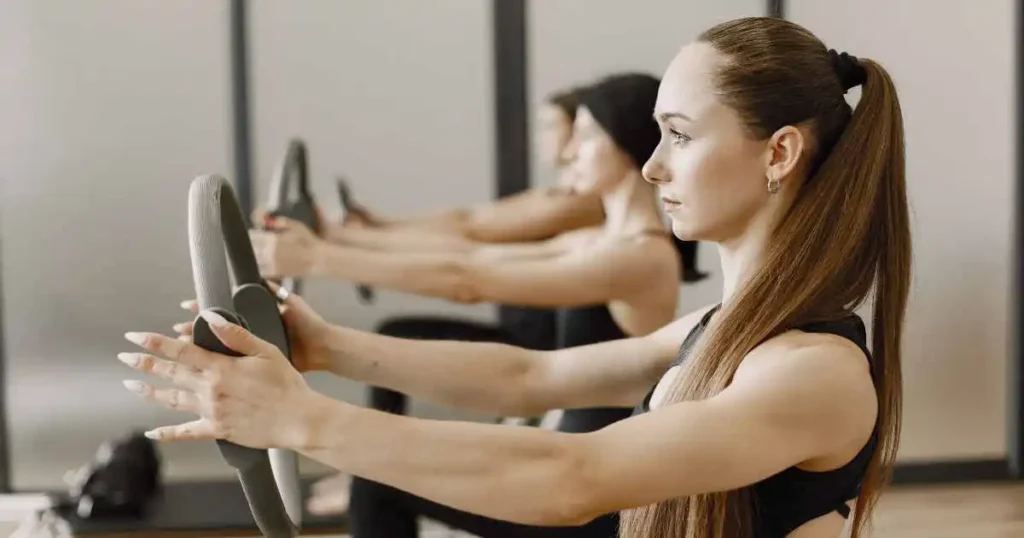
Specialized Equipment and Tools in Pilates
While Mat Pilates exercises provide a powerful foundation, specialized equipment can intensify and diversify your Pilates workout regimen. Joseph Pilates invented several pieces to deepen the practice:
- Reformer Pilates: This sliding carriage apparatus adds resistance with springs and straps, enabling a wide variety of exercises.
- Chair Exercises (Wunda Chair): Offers lower and upper body exercises, focusing on strength and balance.
- Spine Corrector & Ladder Barrel: Designed for spinal articulation, back extension, and improving posture.
- Wall Pilates & Resistance Bands: Useful for home gym adaptations and those seeking added muscle tone.
Additional accessories, such as Pilates rings and Pilates balls, enhance engagement of the inner thighs and deep core muscles, while a dumbbell set and pull-up bar can add variety for advanced users.
The Benefits of Pilates Exercises Backed By Science
A growing body of research and clinical review (see Texoma Medical Center, Cleveland Clinic, Pilates PT Method™) highlights the effectiveness of Pilates exercises in improving muscle tone, reducing musculoskeletal issues, and developing respiratory muscle strength. Key benefits include:
- Core strength: Regular Pilates exercises activate the transversus abdominis, lumbar multifidus, and pelvic floor muscles.
- Back health: Effective in alleviating low back pain and supporting spinal mobility.
- Balanced muscle development: Exercises like Double Leg Stretch, Single Leg Kick, and Leg Pull Front support functional movement and postural alignment.
- Flexibility: Dynamic stretches like Spine Twist Supine and Leg Circles increase range of motion.
- Breath and mind-body connection: Breath control enhances movement quality and mind control.
- Adaptability: Pilates exercises suit all ages; many physical therapists and Yoga instructors recommend them for rehabilitation and general fitness.
Frequently Asked Questions About Pilates Exercises
How do Pilates exercises differ from Yoga?
While both incorporate concentration and controlled breathing, Pilates focuses more intensely on core muscles and spinal mobility. Pilates equipment (such as the Reformer) and exercises like the Pilates Curl and Roll Up distinguish the method from Yoga studios’ typical approaches.
Can Pilates exercises help with pelvic incontinence or musculoskeletal issues?
Physical therapists often use tailored Pilates routines to strengthen the pelvic floor and improve musculoskeletal health. Always consult a healthcare professional for advice relevant to your circumstance.
Do I need specialized equipment?
Mat Pilates exercises require only an exercise mat but adding a Pilates ring, resistance band, or Pilates ball can target specific muscle groups. Equipment like the Trapeze Table and Ladder Barrel is often found in studios but not required for effective training.
How often should I do Pilates exercises for results?
2–4 sessions per week—as part of your exercise routine—provide optimal improvements in core stability, muscle strength, and overall well-being.
Are Pilates exercises suitable for all ages and abilities?
Absolutely! Pilates exercises are adaptable and scalable, making them accessible for everyone from beginners to athletes. You can practice at home or join a studio, with or without training tools.
Building a Custom Pilates Exercise Routine
A complete Pilates workout blends warm-up, core conditioning, mobility training, and cool-down. Here’s an example routine:
- Warm-up: Pelvic Clocks, Knee Folds, and Breath Control.
- Core Work: Roll Up, Chest Lift, and Pilates Curl.
- Strength and Balance: Side Plank, Back Extension, and Control Balance.
- Spinal Articulation and Stretch: Swan Dive, Spine Twist Supine, and Leg Circles.
- Cool-down: Gentle stretches to restore muscle tone and flexibility.
Additional tips: Track your progress with workout video logs, chat with coaches for feedback, and check out reviews on fitness platforms such as Alo Moves or the Peloton App. Top instructors like Kristin McGee, Aditi Shah, and Jessica Valant often share valuable insights and routines.
Conclusion: Start Your Pilates Exercises Journey Today
Pilates exercises are more than movements—they are an investment in your health, posture, and peace of mind. Whether you practice Mat Pilates at home, try Reformer Pilates at a studio, or blend Pilates exercises into your athletic routine, you’re building a foundation for lifelong wellness. Remember to listen to your body, focus on control and precision, and celebrate each new gain, no matter how small.
Ready to transform your approach to fitness? Start incorporating Pilates exercises into your weekly routine and notice the difference—in core strength, flexibility, and overall vitality. Your journey to better movement, resilience, and self-awareness begins now!