
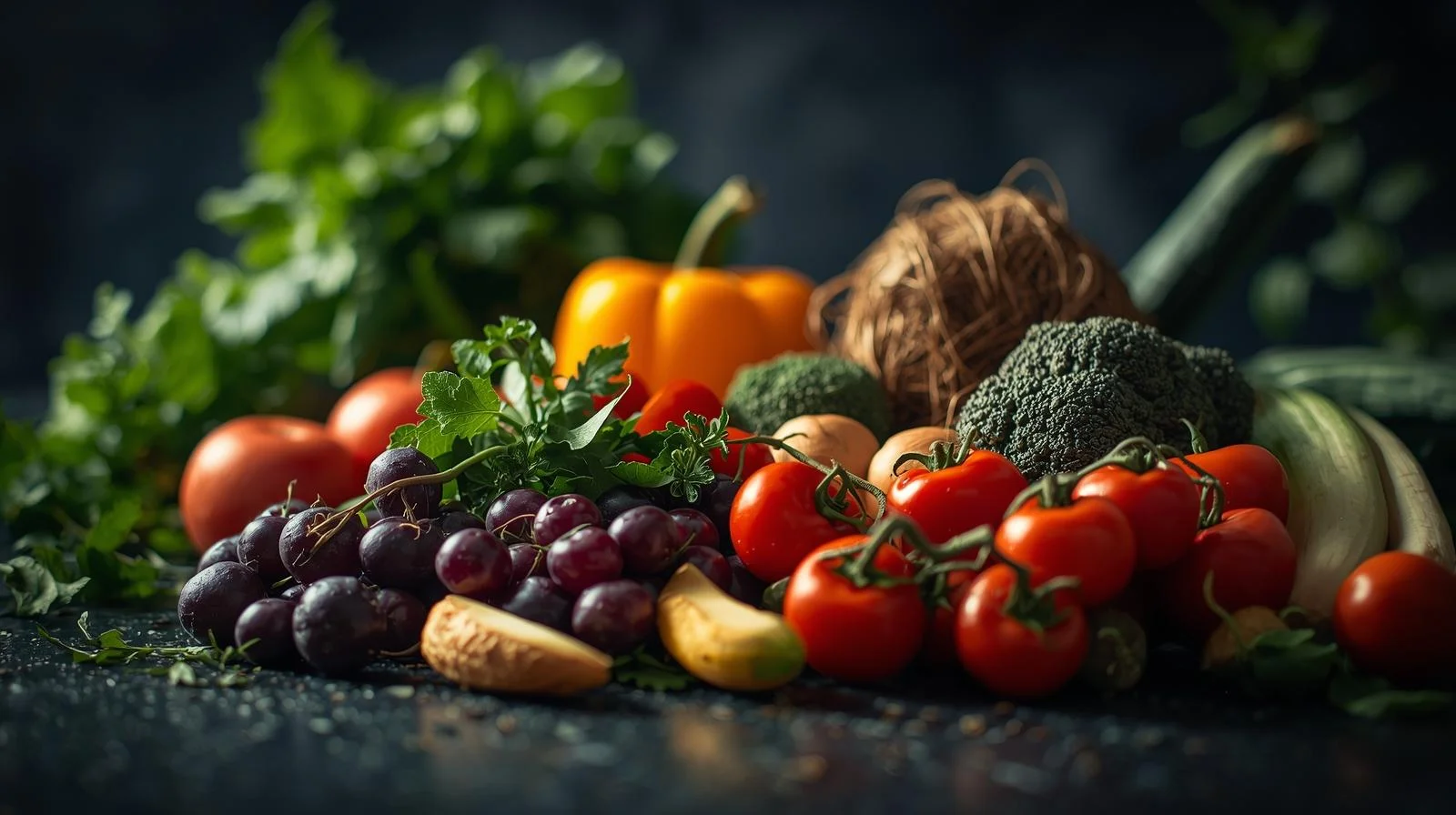
Discover Why Organic Food Boosts Your Wellness
Organic food has become more than just a trend; it’s a significant movement that reshapes how we think about what we eat, where it comes from, and its impact on our health and the environment. But with so much information available, it can be challenging to understand what “organic” truly means. This comprehensive guide will explore the world of organic food, from the farm to your table. We’ll demystify the labels, explain the benefits, and provide practical tips for making informed choices. Whether you are a long-time advocate or just beginning to explore your options, this article will give you the knowledge you need.
What Does “Organic Food” Actually Mean?
At its core, organic food refers to food produced using methods of organic farming. These methods are designed to promote ecological balance and conserve biodiversity. Instead of relying on synthetic pesticides, artificial fertilizers, or genetically modified organisms (GMOs), organic agriculture uses natural substances and processes. The goal is to create a sustainable system that respects the environment, treats animals humanely, and produces nutritious food.
To be sold as organic food, products must meet strict government standards. In the United States, these standards are set by the National Organic Program (NOP), which is part of the U.S. Department of Agriculture (USDA). This program defines how farmers and producers must grow, handle, and process food to earn the right to label it as organic.
The Pillars of Organic Farming
Organic farming is built on several key principles that distinguish it from conventional agriculture. These practices work together to create a holistic and sustainable food system.
Soil Health and Fertility
Healthy soil is the foundation of healthy food. Organic farmers focus on building and maintaining soil fertility naturally. They use techniques like crop rotation, cover crops, and composting to enrich the soil with organic matter. This not inly provides essential nutrients for organic crops but also improves soil structure, enhances water retention, and reduces erosion. A focus on soil health is a cornerstone of producing high-quality organic food.
Pest and Weed Control
Instead of synthetic pesticides and herbicides, organic farming employs natural methods to manage pests and weeds. These can include introducing beneficial insects that prey on pests, using physical barriers like row covers, and implementing crop rotation to disrupt pest life cycles. This approach minimizes the chemical load on the environment and reduces potential pesticide residues on the food we eat.
Animal Welfare Standards
When it comes to meat, poultry, eggs, and dairy products, organic food production places a strong emphasis on animal welfare. The regulations require that animals are raised in living conditions that accommodate their natural behaviors. This means they must have access to the outdoors, fresh air, and sunlight. For example, free range policies ensure that chickens are not confined to small cages. Animals are fed 100% organic feed and are not given antibiotics or growth hormones.
Decoding the Labels: Understanding “Certified Organic”
Walking through the grocery store, you’ll see various labels. Understanding them is key to making confident choices. When you see the USDA organic seal, you can be sure the product is certified organic.
The USDA Organic Seal
The USDA organic seal is a powerful symbol. It signifies that a product is at least 95% organic and has been produced and handled according to the strict USDA organic regulations. These regulations are comprehensive, covering everything from soil quality and animal welfare to pest control and the use of additives. For a product to be certified organic, it must be verified by a USDA-accredited certifying agent. This process ensures the integrity of the organic food supply chain from start to finish.
Different Levels of Organic Claims
Not all food labels are created equal. The USDA has specific rules for how the word “organic” can be used on packaging.
- 100% Organic: These products must contain only organic ingredients (excluding salt and water). They can display the USDA organic seal. This is the highest standard for organic food.
- Organic: These products must be at least 95% organic. They can also use the USDA organic seal. This is the most common label you’ll find on certified organic items.
- Made with Organic Ingredients: These products contain at least 70% organic ingredients. They cannot use the USDA seal but can list up to three specific organic ingredients on the front of the package.
- Specific Organic Ingredients: Products with less than 70% organic ingredients cannot use the term “organic” on the main display panel. They can, however, identify specific ingredients that are organic in the ingredients list.
Understanding these distinctions helps you know exactly what you are buying when you choose organic food.
Why People Choose Organic Food: The Potential Benefits
People are drawn to organic food for a variety of reasons, ranging from personal health concerns to broader environmental and ethical considerations. While research is ongoing, many consumers find compelling reasons to make the switch.
Reduced Exposure to Pesticides
One of the primary drivers for choosing organic food is the desire to reduce exposure to synthetic pesticides. Conventional crops are often treated with a variety of chemicals to control pests and diseases. While regulatory agencies set limits for pesticide residues on food, many people prefer to minimize their intake altogether. Studies have shown that consuming an organic diet can significantly lower the levels of certain pesticides in the body. Choosing organic produce, especially for items on the “Dirty Dozen” list (produce with the highest pesticide levels), is a common strategy for consumers.
Nutritional Differences: Is Organic Food More Nutritious?
The question of whether organic food is more nutritious than conventional food is complex and a subject of ongoing scientific debate. Some studies have found that certain organic fruits and vegetables contain higher levels of antioxidants and specific vitamins. For example, some research suggests higher concentrations of vitamin C and beneficial plant compounds in organic produce.
However, other studies show minimal differences. The nutritional content of food is influenced by many factors, including soil quality, climate, and ripeness at harvest. What is clear is that organic farming practices are designed to create healthier soil, which is the basis for nutritious plants. Many people who regularly consume organic food report that it simply tastes better, which can also be an indicator of quality.
Environmental Impact and Sustainability
Choosing organic food is also a vote for a more sustainable agricultural system. Organic farming methods are intended to operate in balance with the natural environment By avoiding synthetic fertilizers and pesticides, it helps protect water quality and reduce pollution. The focus on soil health improves biodiversity and helps combat climate change by sequestering more carbon in the soil. These sustainable products support an agricultural model that aims to preserve natural resources for future generations.
GMO Avoidance
Genetically Modified Organisms (GMOs) are prohibited in organic production. For a product to be certified organic, it cannot be made with ingredients that have been genetically engineered. While the scientific consensus is that currently approved GMO foods are safe to eat, some consumers prefer to avoid them for personal, ethical, or environmental reasons. The USDA organic seal provides a clear and reliable way to ensure the organic food you purchase is GMO-free.

The Other Side: Challenges and Criticisms of Organic Food
While the benefits are compelling, it’s important to have a balanced perspective. The world of organic food is not without its challenges and criticisms.
The Cost Factor
There’s no denying it: organic food often comes with a higher price tag. Several factors contribute to this difference in cost Organic farming is more labor-intensive, certification costs can be high for farmers, and organic farms often produce smaller yields compared to large-scale conventional farms. This price barrier can make it difficult for some families to access organic food regularly.
Is “Organic” Always Healthier?
It’s a common misconception that if a food is labeled “organic,” it is automatically healthy. An organic cookie is still a cookie. Organic snacks, desserts, and processed foods can be high in sugar, fat, and calories, just like their conventional counterparts. The principles of a balanced diet still apply. The benefit of organic food lies in its production method, not as a free pass to ignore overall nutritional guidelines. A diet rich in whole foods, whether organic or conventional, is the key to good health.
Addressing Food Safety
Food safety is a critical concern for all food production systems. While organic farming avoids many synthetic inputs, it is not immune to potential contamination. Natural fertilizers, like manure, must be properly composted to eliminate harmful bacteria. All farms, whether organic or conventional, must adhere to strict food safety standards to prevent foodborne illnesses. Washing all produce thoroughly before consumption is a crucial step, regardless of how it was grown.
Making Organic Food Accessible: Practical Tips for Everyone
Incorporating more organic food into your diet doesn’t have to be an all-or-nothing approach or break the bank. A few smart approaches can make eating organic easier on your budget.
Prioritize Your Purchases
If you’re on a budget, you don’t have to buy everything organic. Focus on the foods your family eats most often and consider prioritizing based on pesticide levels. Helpful guidance can be found in the Environmental Working Group’s ‘Dirty Dozen’ and ‘Clean Fifteen’ lists . The “Dirty Dozen” lists the produce with the highest pesticide residues, making them good candidates for buying organic. The “Clean Fifteen” have the lowest levels, so you might feel more comfortable buying their conventional versions.
Shop Smart and Seasonally
The price of organic produce can vary significantly depending on where and when you shop.
- Farmer’s Market: Visiting a local farmer’s market is a great way to buy fresh, seasonal organic food directly from the people who grow it. You can often find better prices and build a connection with your local food community.
- Community Supported Agriculture (CSA): Joining a community supported agriculture program is another excellent option. You pay a farm upfront for a “share” of the upcoming harvest and receive a box of seasonal produce regularly. This supports local farmers and often provides great value.
- Store Brands and Bulk Bins: Many grocery stores now offer their own brand of organic food, which can be more affordable than name brands. Buying staples like grains, nuts, and spices from bulk bins can also save money and reduce packaging waste.
Consider Growing Your Own
Even if you only have a small balcony or windowsill, you can grow some of your own organic food. Herbs, lettuce, and tomatoes are easy to start with. Growing your own food is incredibly rewarding, gives you complete control over how it’s grown, and provides the freshest possible produce. It’s the ultimate way to connect with your food source.
Beyond the Basics: Biodynamic Farming and the Future
As the interest in sustainable agriculture grows, other methods are gaining attention. Biodynamic farming is one such approach. It shares many principles with organic farming but takes a more holistic, spiritual, and ethical approach to agriculture. Biodynamic farms are viewed as complete, self-sustaining ecosystems. They follow specific planting and harvesting schedules based on lunar cycles and use unique compost preparations. While less common, biodynamic products offer another option for those seeking deeply sustainable food. This method pushes the boundaries of what it means to produce truly natural organic food.
The future of organic food is bright. As consumer demand continues to grow, more farmers are transitioning to organic practices, and innovation is making sustainable products more widely available. The movement is expanding beyond just fruits and vegetables to include a vast array of products, from snacks and pantry staples to high-quality meats and dairy.
Your Journey with Organic Food
Making the choice to incorporate more organic food into your life is a personal journey. It’s about making conscious decisions that align with your values, whether they are centered on health, environmentalism, or animal welfare. By understanding the labels, knowing the principles behind organic farming, and shopping strategically, you can navigate the world of organic food with confidence.
Start by making small, manageable changes. Perhaps you can swap one conventional item for an organic one on your next shopping trip or visit a local farmer’s market this weekend. Every choice contributes to a food system that is healthier for people and the planet. This isn’t just about buying different groceries; it’s about investing in a more sustainable future, one delicious meal at a time. The world of organic food is vast and full of possibilities. What will your first step be?