
Succulent Care Secrets for Success
Watching a succulent grow under your care is truly special. Maybe you’ve had trouble with plants that didn’t last long. But succulents are different. They’re tough yet delicate, simple yet striking.
Their plump leaves and vibrant colors brighten up any space. With the right care, they can thrive anywhere. They become more than plants—they remind us of patience and beauty.
Succulent care has become very popular. These plants are great for busy people because they need little care. Still, their care can be challenging.
Common mistakes like overwatering or wrong soil can harm them. To further comprehend their requirements, go to this manual. You’ll learn how to care for succulents like a pro, whether you have one or many.
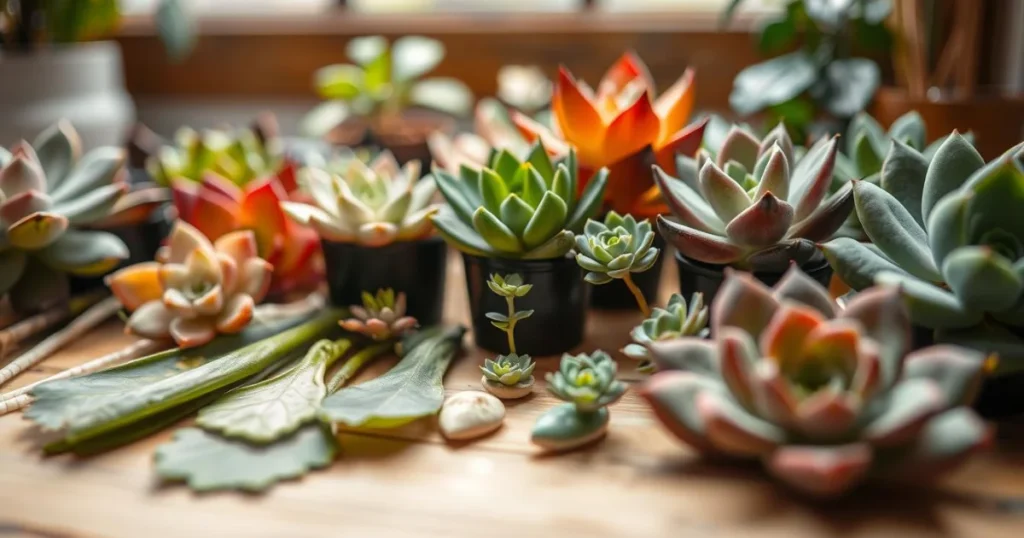
Table of Contents
Understanding Succulent Basics: What Makes Them Unique
Water is stored by succulents in their roots, stems, or leaves. They come from dry places like Mexico’s deserts and South Africa’s plateaus. Knowing their biology is key to succulent care. Let’s dive into their traits and how to care for them well.
Essential Succulent Care for Thriving Indoor Plants
Proper succulent care starts from the ground up, beginning with the right home for your plant. The most critical element is ensuring proper drainage to prevent root rot, a common issue for these desert natives. Your succulent’s pot must have at least one drainage hole.## Creating the Perfect Soil and Potting Environment
Proper succulent care starts from the ground up, beginning with the right home for your plant. The most critical element is ensuring proper drainage to prevent root rot, a common issue for these desert natives adapted to arid environments. Your succulent’s pot must have at least one drainage hole; multiple drainage holes are even better. Terracotta pots are an excellent choice because their porous nature helps soil dry out more evenly. When selecting a pot size, choose one that is slightly larger than the plant’s root system to allow for growth without holding excess moisture. For the potting mix itself, a specialized cactus and succulent mix is ideal. You can also create your own well-draining soil mix by amending regular potting soil with materials like perlite, sand, or coconut coir. Avoid self-watering planters, as they keep the soil too moist for most succulent varieties
Common Succulent Varieties for Beginners
Begin with these easy-to-grow plants:
| Plant Name | Key Traits | Care Notes |
|---|---|---|
| Echeveria | Rosette shapes, colorful rosettes | Full sun, well-draining soil |
| Haworthia | Translucent “window” leaves | Indirect light, minimal watering |
| Jade Plant | Fleshy oval leaves, tree-like growth | Protect from frost, allow soil to dry between waterings |
Why Succulents Store Water: The Science Behind the Plump Leaves
Succulents have special cells called hydrenchyma that keep water. This lets them go weeks without rain. Their thick cuticles stop water from evaporating, and their shallow roots grab rain fast.
Knowing this helps avoid too much water when how to care for succulents.
Native Habitats and What They Tell Us About Care
Many succulents come from sunny, dry places. Give them bright light and soil that drains fast. For example, Haworthia needs gravel in its soil because of its rocky South African home.
Learn about your plant’s home to make its environment better at home.
Essential Watering Techniques for Healthy Succulents
Learning to water is key to how to care for succulents. These plants love a dry, desert-like environment. Follow these succulent watering tips to keep them healthy and vibrant.
The “Soak and Dry” Method Explained
Deeply till the ground drains well; then, wait until it is dry once more. This method stops root rot and helps roots grow deep. A moisture meter like the Goula Soil Tester helps you know when to water.
Signs of Overwatering vs. Underwatering
- Overwatering: Leaves turn soft, clear, or change color. The stem base might darken.
- Underwatering: Leaves shrink, lose color, and fall off easily. The soil pulls away from the pot.
Seasonal Adjustments to Your Watering Schedule
- In spring/summer: Water every 2-3 weeks when plants are growing fast.
- In fall/winter: Water only once a month when growth slows down.
Watering Wisdom: Nailing the Right Technique
Watering is where many new succulent owners go wrong. Overwatering is a swift path to an unhealthy plant. It’s best to mimic the soak-and-dry cycle of their natural habitats. This means thoroughly drenching the soil until water runs out the drainage holes, then allowing the potting mix to dry completely before watering again. A good rule of thumb is to check the soil’s moisture level an inch or two down; moisture meters can be helpful for this. Alternatively, the “watering from the bottom” method, where you place the pot in a tray of water and let it absorb moisture upwards, ensures the root systems get a deep drink without waterlogging the succulent leaves. During the active growing season (spring and summer), your watering cycle will be more frequent than during their winter dormancy. A watering cheat sheet can help you track different needs for plants like a Jade Plant versus a String of Pearls. Always use a watering can with a narrow spout to direct water at the soil, not on the leaves.
Best Tools for Precise Watering
Get tools that help you water just right:
- Squeeze bottles (like Dramm Watering Cans) water the soil without getting leaves wet.
- Drainage saucers catch extra water to stop plants from getting too wet.
Change your watering schedule as your plants need. Paying close attention to these details keeps your succulents healthy all year.
Succulent Care: Light Requirements for Optimal Growth
The majority of succulents need six hours of indirect, bright sunshine daily for the best possible growth. The right amount of light varies by type, but finding the balance is crucial. Too little light can make stems stretch, while too much can burn leaves.
Start by checking your space. For most outdoor plants, partial shade is optimal. Indoor plants need south or east-facing windows for the best light.
More light may be necessary if your plant appears lanky or pale. Brown patches on leaves mean it’s getting too much sun. Gently transfer plants to areas with more light to avoid scorching them. In winter, use grow lights for 12–14 hours a day if it’s too dark.
- Place indoor plants near bright windows but avoid harsh noon sun
- Rotate pots weekly to ensure even light exposure
- Use sheer curtains to filter intense outdoor light
Adjusting for the seasons is part of proper succulent care. In summer, give them shade during the hottest part of the day. Turn on the lights if it gets too dark in the winter. They remain vivid, healthy, and even blossom when exposed to good light.
Creating the Perfect Soil Mix for Thriving Succulents
The vitality of succulents depends on your careful selection of soil. Because it retains so much water, regular potting soil is a root-rotting nightmare. Look for blends that drain well. You can choose from pre-made mixes or make your own.
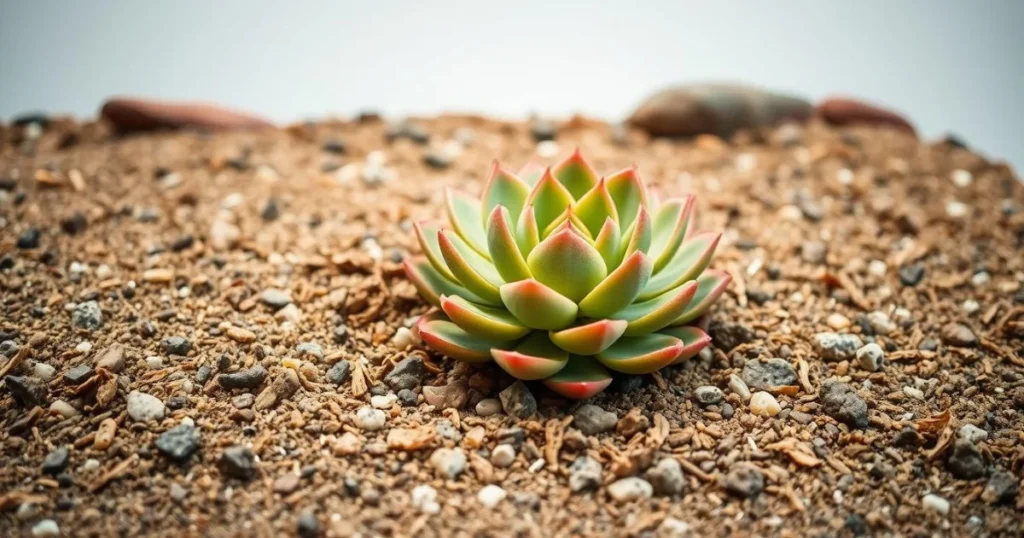
Drainage materials like gravel or crushed terracotta shards help prevent waterlogging. They work well with how to care for succulents basics. Optimal soil conditions and enough hydration contribute to the maintenance of root health.
Repotting Guidelines
Repot in spring when plants start growing again. Find a new container that is an extra inch or two broad. Gently loosen tangled roots and let the plant dry for 24 hours before planting. Wait a week after repotting to water again to avoid shocking the plant.
Always focus on drainage. An optimal soil mixture and the “soak and dry” technique maintain root desiccation. This ensures your plants will thrive.
Sunlight, Light, and Placement
Sunlight is food for your succulents. Most varieties require a sun minimum of 6 hours of bright, indirect light each day. A south-facing window is often the perfect spot for these high light-loving indoor plants. Insufficient sunlight exposure can cause them to stretch out and lose their compact shape. For outdoor succulents, be mindful of intense, direct sun which can scorch their leaves. Some species, like the dramatic Aeonium ‘Zwartkop’, develop deeper colors with more sun. If your home lacks sufficient natural light, consider using grow lights to supplement the indoor light conditions. Whether you’re curating complex interior landscapes or simple window sill displays, understanding the specific light needs of each plant is a cornerstone of successful Succulent Houseplant Care. For a unique touch, some designers even incorporate Air Plants into green walls alongside leaf succulents.
Indoor Succulent Care: Bringing Desert Beauty Inside
Planting succulents indoors is a great way to liven up any space. But, they need special care since they come from the desert. Here are some tips to help your plants grow well at home.
Best Indoor Spots for Light and Growth
Place plants close to windows that receive a lot of natural light. If it’s too dark, use LED grow lights. Some plants, like Zebra plants, do well in less light but still need 4–6 hours of indirect sun.
Humidity Tips for Indoor Spaces
- Keep humidity at 40–50%. Use dehumidifiers in wet areas.
- Use a fan on low to keep air moving and prevent mold.
- Once a month, use a moist towel to wipe the leaves down to eliminate dust.
Containers That Work with Your Decor
| Material | Drainage Needs | Pros |
|---|---|---|
| Ceramic | Require drainage holes | Stylish, retains moisture |
| Terracotta | Drainage-friendly | Breathable, lightweight |
| Glass | Pair with gravel layers | Modern look, shows root systems |
Need a container without drainage? Try the double-potting method. Place the plant in a permeable container within an ornamental one.
It is recommended to turn plants every three months to ensure even growth. Check the soil moisture every week. With these indoor succulent care tips, your plants will be happy and stylish additions to your home.
Propagation Methods to Expand Your Succulent Collection
Make more plants from one using simple succulent propagation methods. These are easy to learn and great for sharing with friends. Choose healthy plants for the best results.
- Leaf Propagation: Twist off a plump leaf, let it dry for 2–3 days, then plant it. Mist it weekly until roots show.
- Stem Cuttings: Cut a stem at a 45° angle, dry it for a week, then plant it in sandy soil. Water little until it grows.
- Offsets (Pups): Separate baby plants from the mother plant’s base. Plant them in their own pot once they have roots.
- Division: For plants that grow in clumps, separate the roots into smaller parts. Plant each part in new soil.
Early spring or summer is the optimal time for most approaches. If cuttings wilt, add more light. For slow growth, check the soil moisture. Learning these steps makes caring for succulents fun and grows your collection fast. You have the option to either give or receive your newly acquired plants from the garden.
Propagation and Pest Control
Expanding your collection through propagation is one of the most rewarding aspects of succulent ownership. You can easily propagate many varieties from stem cuttings or leaf cuttings. For leaf cuttings, gently twist a healthy leaf from the stem, allow it to callus over for a few days, and then place it on top of a cactus and succulent mix. For stem cuttings, snip a piece of stem, let it dry, and then plant it. Using a rooting hormone can increase your success rate. While generally hardy, succulents can fall prey to pests like fungus gnats and mealybugs. Effective pest control starts with regular inspection of all plant parts. If you spot an infestation, a pest treatment like neem oil is an effective and organic solution. For ongoing plant tips and advanced techniques, resources from experts like Caro Langton and Rose Ray of House of Plants, or institutions like the Boyce Thompson Arboretum, can be invaluable. This ensures your plants, from a Pachyveria Royal Flush to a classic Echeveria, remain healthy and vibrant.
Identifying and Treating Common Succulent Pests and Diseases
Keep your plants safe with succulent pest control. As they feed on plant sap, pests such as mealybugs, spider mites, and scale insects cause damage. Catching pests early is key to good succulent care. This guide helps you tackle problems before they damage your plants.
Natural and Chemical Treatment Options
Here are ways to fight pests:
| Pest | Symptoms | Natural Treatment | Chemical Option |
|---|---|---|---|
| Mealybugs | White cotton-like clusters | Isopropyl alcohol swabs | Insecticidal soap |
| Spider Mites | Webbing, yellow spots | Neem oil spray | Commercial miticide |
| Scale Insects | Brown bumps, sticky residue | Rubbing alcohol swabs | Systemic insecticide |
Preventative Measures for Healthier Plants
- Before adding to your collection, quarantine new plants for 2 weeks.
- Ensure airflow between pots to deter moisture-loving pests.
- Inspect plants weekly, checking leaf undersides and soil.
Rescuing Damaged Succulents
- Trim infected areas with clean shears. Disinfect cuts with a 1:1 alcohol-water mix.
- To address root rot, excise the affected soil, prune the decayed sections, and allow the roots to desiccate before to repotting.
- Propagate from healthy stems or leaves using clean tools to save the plant.
Seasonal Care: Protecting Succulents Through Winter and Summer
Seasonal changes mean we need to adjust succulent care to keep them healthy. Winter and summer bring their own challenges. But with the right care, your plants will thrive all year.
- Cut watering by half—water only when soil is completely dry.
- Relocate plants indoors when temps fall below 40°F (4°C).
- Use sheer curtains to diffuse light for indoor plants.
Summer Survival Guide
- Water every 2-3 weeks, increasing in extreme heat.
- Shield from harsh afternoon sun to prevent sunburn.
- Boost airflow with fans in humid climates.
| Season | Watering | Light | Temperature | Dormancy |
|---|---|---|---|---|
| Winter | Less frequent—check soil moisture | Indirect light indoors | Above 40°F (4°C) | Many succulents dormancy in winter |
| Summer | More frequent during growth phases | Full morning sun, shade in afternoons | Avoid prolonged heat above 90°F (32°C) | Some species rest in summer |
Adjust care based on dormancy phases. Research your plant’s needs to avoid overwatering during rest periods. Strategic planning guarantees the vitality of your succulents throughout all seasons.
Conclusion: Growing Your Succulent Expertise
Learning to care for succulents begins with the basics. You need to know how to water, light, and soil them right. This guide has demonstrated how to circumvent prevalent errors.
Watch succulent growth—each is different. Join online or local horticulture forums for advice. Keeping a journal helps you track your progress.
Even experienced growers face challenges. But, with the right solutions, like adjusting watering or treating pests, you can overcome them. This guide contains all the necessary answers.
Want to get better at succulent care? Try propagation or learn about seasonal care. The Cactus & Succulent Society of America provides maintenance guides and classes.
Remember, succulent care is about listening to your plants. Start with easy ones like jade or echeveria. Then, try rarer ones. Celebrate every minor win, like a lush leaf or flower.
With patience and curiosity, your succulent collection will flourish. The joy of succulent care is in watching each plant grow. Happy growing!