
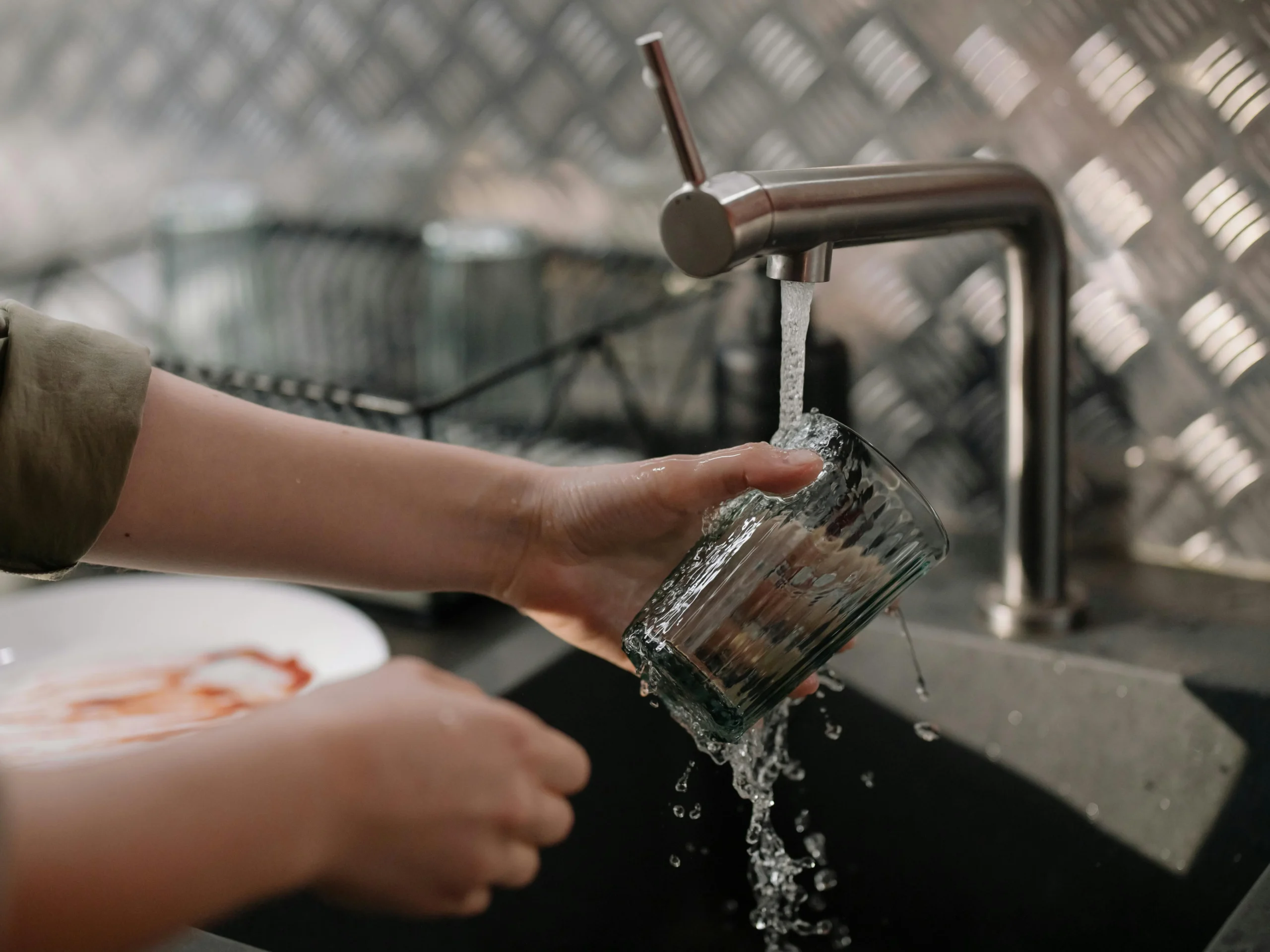
how to reduce water bill at home with simple daily habits
Seeing your monthly utility bill and noticing a massive spike in costs can be frustrating. Many homeowners find themselves paying more than necessary simply because of hidden leaks or inefficient daily habits. If you are wondering how to reduce water bill expenses, you have come to the right place. Making a few minor adjustments around your house can lead to significant savings over time. You don’t need to renovate your entire home to see a difference. By implementing simple changes in your bathroom, kitchen, and yard, you can keep more money in your wallet while also conserving a precious natural resource. Let’s dive in to some practical steps you can take starting today.
Identify and fix hidden leaks
One of the biggest culprits behind high utility costs is plumbing leaks. A dripping faucet or a running toilet might seem like a minor annoyance, but these small issues can waste thousands of gallons of water every year.
Check your toilets
Toilets are notorious for silent leaks. A worn-out flapper valve can cause water to flow continuously from the tank into the bowl. To test for a leak, place a few drops of food coloring into the toilet tank. Wait about twenty minutes without flushing. If you see color appearing in the bowl, you have a leak. Replacing a toilet flapper is usually inexpensive and only takes a few minutes, but it can yield substantial savings.
Inspect faucets and pipes
Walk through your home and check every sink, shower, and outdoor spigot. A faucet that drips at a rate of one drop per second can waste over 3,000 gallons of water annually. Tighten loose connections and replace worn washers or O-rings. If you notice pooling water under your kitchen or bathroom cabinets, you might have a pipe leak that requires a plumber’s attention.
Upgrade your bathroom fixtures
The bathroom accounts for more than half of all indoor water use in the average American home. Upgrading your fixtures is a highly effective strategy for lowering your monthly expenses.
Install low-flow showerheads
Standard showerheads use about 2.5 gallons of water per minute. Switching to a high-efficiency showerhead with the WaterSense label can reduce that flow to 2.0 gallons or less per minute. You will barely notice a difference in water pressure, but you will definitely notice the difference in your monthly charges.
Consider dual-flush toilets
Older toilets can use up to six gallons per flush. Modern high-efficiency toilets use only 1.28 gallons. If replacing the entire toilet is not currently in your budget, you can install a dual-flush conversion kit. These kits give you the option of a light flush for liquid waste and a heavier flush for solid waste, helping you use only what is absolutely necessary.
Optimize your kitchen and laundry routines
Figuring out how to reduce water bill totals often starts by evaluating your daily chores. The way you wash dishes and clothes has a direct impact on your household utility expenses.
Run full loads only
Whether you are using the washing machine or the dishwasher, wait until you have a full load before running a cycle. Running partial loads wastes water and electricity. If you must wash a small load of laundry, make sure you adjust the water level settings on your machine accordingly.
Stop pre-rinsing dishes
Modern dishwashers are incredibly efficient and powerful. Most of them are designed to handle food residue without the need for pre-rinsing. Scraping your plates into the trash or compost bin instead of rinsing them under the tap can save up to 20 gallons of water per load.
Upgrade to high-efficiency appliances
When it is time to replace your old washing machine or dishwasher, look for Energy Star-certified models. Front-loading washing machines, for example, use significantly less water than traditional top-loading models. While these appliances might have a higher upfront cost, the long-term savings on your utility bills make them a smart investment.
Smarter outdoor watering strategies
For many households, outdoor watering accounts for a massive portion of total usage, especially during the hot summer months. Adjusting your landscaping habits can drastically cut costs.
Water at the right time
Watering your lawn in the middle of the afternoon is highly inefficient. The sun evaporates the moisture before it even reaches the roots. Instead, water your yard early in the morning or late in the evening. The cooler temperatures allow the water to soak into the soil, meaning you can water less frequently.
Plant drought-resistant landscaping
Maintaining a lush, green lawn in a dry climate requires constant watering. Consider replacing water-heavy grass with native plants, succulents, or drought-resistant shrubs. Xeriscaping—a landscaping method designed specifically for areas that are susceptible to drought—can drastically reduce your outdoor water requirements.
Use a rain barrel
Harvesting rainwater is a brilliant way to keep your garden hydrated for free. Place a rain barrel under your gutter downspouts to collect runoff from your roof. You can use this collected water for your flower beds, indoor plants, and vegetable gardens.
Adopt mindful daily habits
Technology and hardware upgrades are helpful, but changing your personal habits is completely free and immediately effective.
Turn off the tap
It sounds incredibly basic, but leaving the water running while brushing your teeth or shaving is a common habit that wastes heavily. Turn the faucet off until you actually need to rinse. The same rule applies to washing your face or scrubbing your hands.
Take shorter showers
Cutting your shower time by just a couple of minutes might not sound like much, but it can add up to big savings on your water bill. Try timing your showers with your favorite five-minute song—challenge yourself to finish before the song ends! Or, go one step further and turn off the water while you’re lathering your hair, then switch it back on to rinse. Little changes like this are easy to stick with and can make a noticeable difference over time.
Frequently asked questions
Why is my water bill suddenly so high?
If your water bill suddenly jumps, chances are there’s a sneaky leak somewhere in your home. It’s easy for small plumbing issues to slide under the radar—you might have a toilet quietly wasting water or a drip you haven’t noticed under the sink. Take a walk around your house and check toilets, faucets, pipes, and even your outdoor sprinkler system. Still can’t spot the trouble? Give your water company a call—they can check if your meter is acting up or advise on what to do next.
Do low-flow showerheads actually save money?
Absolutely! Low-flow showerheads may sound a bit boring, but they really do make a noticeable difference. They use clever design to keep your shower pressure feeling great while actually cutting back on how much water you use. Less water streaming out means less hot water to pay for, too—so you save on your water and energy bills at the same time. It’s one of those simple upgrades that you’ll be glad you made every month when the bills arrive.
How much water does a running toilet waste?
Imagine your toilet running non-stop—believe it or not, that can waste up to 200 gallons of water every single day. That’s like pouring money right down the drain! Over a month, those gallons really add up and can easily tack a big chunk onto your water bill before you even realize there’s a problem.
Does watering the lawn at night help lower costs?
Watering your lawn in the cooler hours—either early in the morning or after sunset—helps the water soak into the soil instead of evaporating into thin air. That way, your grass and plants get all the moisture they need without wasting water (or money) to the midday sun. You’ll find you don’t need to run the sprinklers as long, and your bill will thank you.
Take control of your monthly utilities
Figuring out how to lower your water bill doesn’t have to be a chore or mean missing out on life’s little comforts. By being a bit more aware and making some easy changes, you can cut back on wasted water (and money) without feeling deprived. Start by looking for those sneaky leaks and fix what you can. Swap in a few smart upgrades when possible, and build new habits one step at a time. Every drop you save is good for your wallet—and for the planet too. You’ll be surprised how quickly small changes can start to add up and make your monthly bills a little lighter.