
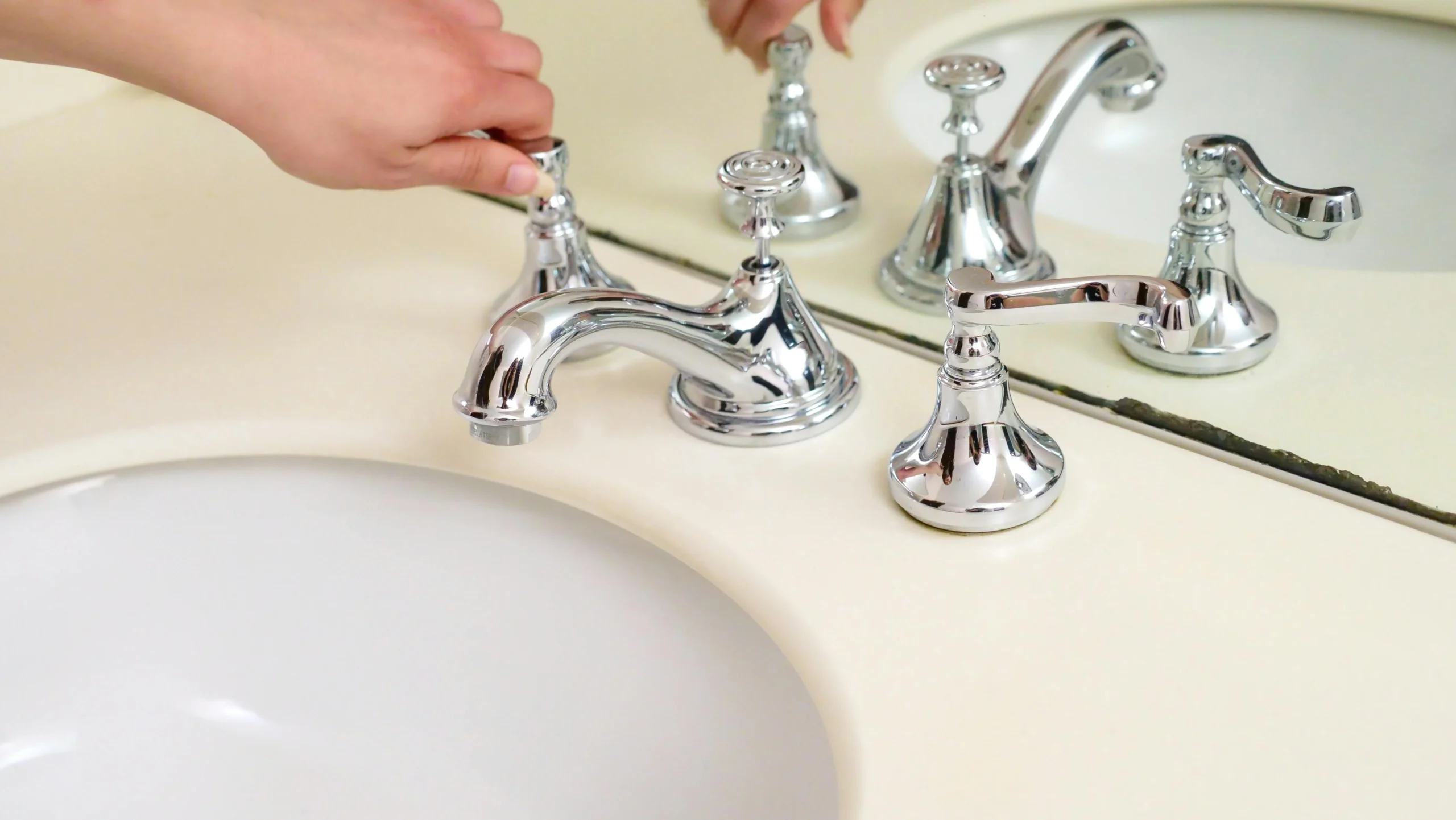
how to fix a leaky faucet without a plumber?
A dripping tap is more than just an annoying sound keeping you awake at night. It wastes water, spikes your utility bill, and can eventually cause water damage if left unchecked. Many homeowners assume they need to call a plumber the second a drip starts, but that is rarely the case. With a few basic tools and a little patience, you can tackle this project on a Saturday afternoon. If you are wondering how to fix a leaky faucet, you have come to the right place. This guide will walk you through the preparation, identify the type of fixture you have, and provide clear steps to get the water flowing—and stopping—exactly as it should.
Gather Your Plumbing Tools
Before you start taking things apart, you need the right tools. Having everything within arm’s reach prevents frustration and keeps the repair moving smoothly. You will need a flat-head and a Phillips-head screwdriver, an adjustable wrench, and a pair of slip-joint pliers. Allen wrenches (hex keys) are also highly recommended since many modern handles use small hex screws to stay in place.
Additionally, grab some penetrating oil (like WD-40) in case you encounter stubborn, rusted screws. Plumber’s grease is essential for lubricating new O-rings and internal components. Finally, lay down an old towel in the sink basin. This simple trick protects your sink from getting scratched by dropped tools and covers the drain so you do not lose tiny screws down the pipes.
Preparation: The Most Crucial Step
The biggest mistake a beginner can make is forgetting to turn off the water supply. Look under your sink for the two water supply valves—one for hot and one for cold. Turn both handles clockwise until they are completely tight. Once they are closed, turn on the faucet to release any remaining water pressure left in the lines. If there are no valves under the sink, you will need to turn off the main water supply to the entire house.
With the water off and the drain covered by a towel, you are ready to begin. Take your smartphone and snap a few pictures as you disassemble the parts. These photos act as a personalized manual when it is time to put everything back together.
Identify Your Sink Fixture
Understanding how to fix a leaky faucet requires knowing exactly what type of mechanism sits inside the handle. There are four main types of faucets found in residential homes.
Compression faucets are the oldest style. They usually have two handles (one for hot, one for cold) and you can feel them tightening down as you turn off the water. Cartridge faucets can be single or double-handled and operate smoothly without that tightening resistance. Ceramic disk faucets have a single handle that moves side to side and up and down over a wide cylindrical body. Finally, ball-type faucets have a single handle that moves over a dome-shaped cap.
Repairing a Compression Faucet
Compression faucets leak when the rubber washer at the base of the valve stem wears out. Constant pressure against the metal valve seat eventually degrades the rubber.
Remove the Handle and Valve Stem
Pry off the decorative cap on top of the handle with a flat-head screwdriver. Remove the screw underneath and pull the handle off. Use your adjustable wrench to loosen the packing nut, then unscrew the valve stem from the faucet body.
Replace the Seat Washer
At the bottom of the valve stem, you will see a small brass screw holding a rubber washer in place. Remove the screw and take off the old washer. Coat a new, identical washer in plumber’s grease and screw it back into place.
Check the O-Ring
If your handle is leaking around the packing nut rather than from the spout, the O-ring on the stem needs replacing. Cut the old O-ring off, grease a new one, and slide it into place. Reassemble the handle and test the water.
Fixing a Cartridge Faucet
Cartridge models are highly reliable, but the internal O-rings can dry out or the cartridge itself can crack over time.
Extract the Cartridge
Remove the handle by loosening the set screw, usually hidden behind a decorative cap or underneath the handle base. Remove the retaining clip holding the cartridge in place using your pliers. Pull the cartridge straight up and out.
Swap the Parts
Take the old cartridge to the hardware store to ensure you buy an exact match. Once you have the replacement, slide it back into the faucet body, ensuring any alignment tabs slide into their corresponding notches. Replace the retaining clip, attach the handle, and turn the water supply back on.
Mending a Ceramic Disk Faucet
Ceramic disk models rarely leak. When they do, it is usually because sediment or mineral deposits have built up inside the cylinder, or the neoprene seals on the bottom have degraded.
Access the Cylinder
Unscrew the handle and remove the metal escutcheon cap sitting below it. You will see a plastic cylinder held down by two or three brass screws. Remove these screws and lift the entire cylinder out of the fixture.
Clean and Replace Seals
Flip the cylinder over to inspect the small neoprene seals on the bottom. Carefully pry them out. Soak the cylinder in white vinegar for a few hours to dissolve any hard water buildup. Buy replacement seals, grease them well, and press them into the bottom of the cylinder. Place the cylinder back into the faucet base and tighten the screws.
Patching a Ball-Type Faucet
Ball faucets contain multiple small parts, making them slightly more complex to rebuild. They utilize a slotted metal or plastic ball sitting on top of spring-loaded rubber seals.
Disassemble the Dome
Remove the handle and use slip-joint pliers to unscrew the dome-shaped cap. Underneath, you will find a plastic cam and cam washer. Remove these to expose the rotating ball. Take the ball out and inspect it for deep scratches; if it is heavily worn, it needs replacing.
Replace the Springs and Seats
Look down into the faucet body. You will see small rubber rings (seats) with springs sitting underneath them. Reach in with a flat-head screwdriver and pop them out. Insert new springs and seats. Reassemble the ball, cam, and dome cap, then reattach the handle.
Troubleshooting Stubborn Leaks
Sometimes, you follow all the steps and the water still drips. If you replaced the washer in a compression faucet but the leak persists, the brass valve seat inside the faucet body might be pitted. You will need a tool called a seat wrench to remove the old seat and install a new one.
For other types, persistent leaks usually mean a mismatched part. Even a millimeter difference in an O-ring or cartridge can allow water to slip through. This is why bringing your old, broken components to the hardware store is highly recommended.
Frequently Asked Questions
Why is my faucet leaking from the base?
A base leak usually indicates a degraded O-ring inside the faucet body. For spout base leaks, you will need to remove the spout entirely, locate the O-rings sitting underneath it, and replace them.
How much does it cost to fix a dripping tap?
If you do it yourself, the cost is minimal. Replacement washers, O-rings, and springs usually cost under five dollars. Even a full replacement cartridge rarely exceeds twenty dollars. Calling a professional can cost anywhere from one hundred to three hundred dollars depending on labor rates in your area.
When should I call a professional plumber?
You should call a professional if you cannot get the water supply valves to shut off completely, if the faucet components are too corroded to remove without breaking the pipes, or if the leak is coming from underneath the sink rather than the fixture itself.
Can I use petroleum jelly instead of plumber’s grease?
No. Petroleum jelly degrades rubber over time. Always use a silicone-based plumber’s grease to lubricate O-rings and rubber seals.
Enjoy Your Drip-Free Sink
Taking care of household maintenance yourself is incredibly rewarding. Not only do you save money, but you also gain a deeper understanding of how your home operates. Now that you have learned how to fix a leaky faucet, you can approach your next minor plumbing issue with confidence. Keep an eye out for any future drips, maintain your tools, and remember to always turn the water off before you begin.