
Master Your Rest: Sleep Hygiene Tips for Deeper Sleep
We have all been there. You are lying in bed, staring at the ceiling, doing the mental math of how many hours of rest you will get if you fall asleep exactly right now. Then another hour passes. Frustration sets in, making it even harder to drift off. If counting sheep feels like a cruel joke, you are not alone. Getting a solid night of rest is a massive struggle for millions of people. But it does not have to be an impossible battle. By implementing a few proven sleep hygiene tips for deeper sleep, you can transform your bedroom into a sanctuary and train your brain to actually wind down when your head hits the pillow.
Let us explore exactly how you can build habits that support genuine, restorative rest.
The Science of Dropping Off
Before we dive into the specific habits you should adopt, it helps to understand what is actually happening in your body when you try to rest. Sleep is not just an on-and-off switch. It is a complex physiological process governed by hormones, temperature, and your biological clock.
Your circadian rhythm acts as an internal 24-hour clock running in the background of your brain. It cycles between sleepiness and alertness at regular intervals. This clock is heavily influenced by environmental cues, primarily light and temperature. When we ignore these cues or override them with artificial environments, our internal clock gets confused. You end up feeling wired at midnight and utterly exhausted when your morning alarm goes off.
How Temperature Controls Your Internal Clock
One of the most fascinating aspects of human biology is how our core body temperature dictates our energy levels. Throughout the day, your body temperature naturally rises and falls. To initiate rest, your core temperature actually needs to drop by about two to three degrees Fahrenheit.
This physiological requirement explains why it is so incredibly difficult to fall asleep in a hot, stuffy room. When your environment prevents your core temperature from dropping, your brain assumes it is still time to be awake and active. Research consistently shows that cooler room temperatures facilitate quicker transitions into the restorative stages of rest. Setting your thermostat somewhere between 60 and 67 degrees Fahrenheit creates the ideal thermal environment. If you cannot control the room temperature entirely, breathable cotton sheets and a fan can help dissipate excess body heat.
The Melatonin Equation
You have probably heard of melatonin. It is the hormone your brain produces in response to darkness, signaling that it is time to power down. But here is the catch: melatonin production is incredibly fragile.
In our modern lives, we are surrounded by artificial lighting that completely mimics the sun. The blue light emitted by smartphones, laptops, and LED televisions is particularly disruptive. When those light waves hit the photoreceptors in your eyes, they send a direct message to your brain to halt melatonin production. By staring at screens right up until bedtime, we are chemically forcing our brains to stay awake. Understanding this biological mechanism is the first step toward creating a better sleep routine that actually works.
Crafting a Better Sleep Routine
Motivation is great, but consistency is what actually changes your biology. You cannot expect to have chaotic, unpredictable evenings and then suddenly drop into a peaceful slumber just because you want to. You need a structured approach.
Why Consistency Matters
If there is a golden rule of rest, it is waking up and going to bed at the exact same time every single day. Yes, even on the weekends. We love the idea of “catching up” on rest during our days off, but the human body does not operate like a bank account. You cannot deposit extra hours on Sunday morning to make up for a deficit on Thursday night.
When you shift your schedule by two or three hours on the weekend, you essentially give yourself a mild case of jet lag. Come Sunday night, your brain is utterly confused about when it should start feeling tired. Sticking to a rigid schedule is one of the most effective sleep schedule tips you can possibly implement. It anchors your circadian rhythm, making it exponentially easier to fall asleep when your designated bedtime rolls around.
Mastering the Wind-Down
Your brain needs a buffer zone between the stress of the workday and the peace of the night. You cannot jump straight from answering stressful emails to peaceful slumber. You need to build a transition period.
Start by giving yourself a “technology curfew” about an hour before you plan to turn out the lights. Put the phone on the charger across the room. Shut down the laptop. Turn off the television. Without the constant influx of digital stimulation and blue light, your mind finally has space to decompress.
Fill this hour with low-stimulation activities. Read a physical book. Do some gentle stretching. Listen to an acoustic playlist or a podcast with a calm, monotonous voice. You might even want to try journaling. Often, the reason we lie awake is that our brains use the silence of the bedroom to process everything we ignored during the busy day. Writing down your to-do list for tomorrow gets those anxious thoughts out of your head and onto paper, allowing your mind to let them go for the night.
Rethinking Your Bedroom Environment
Your bedroom should serve one primary purpose. It needs to be a sanctuary dedicated entirely to rest. When you use your bed as a home office, a dining table, or an entertainment center, your brain stops associating the mattress with sleep.
Light, Noise, and Comfort
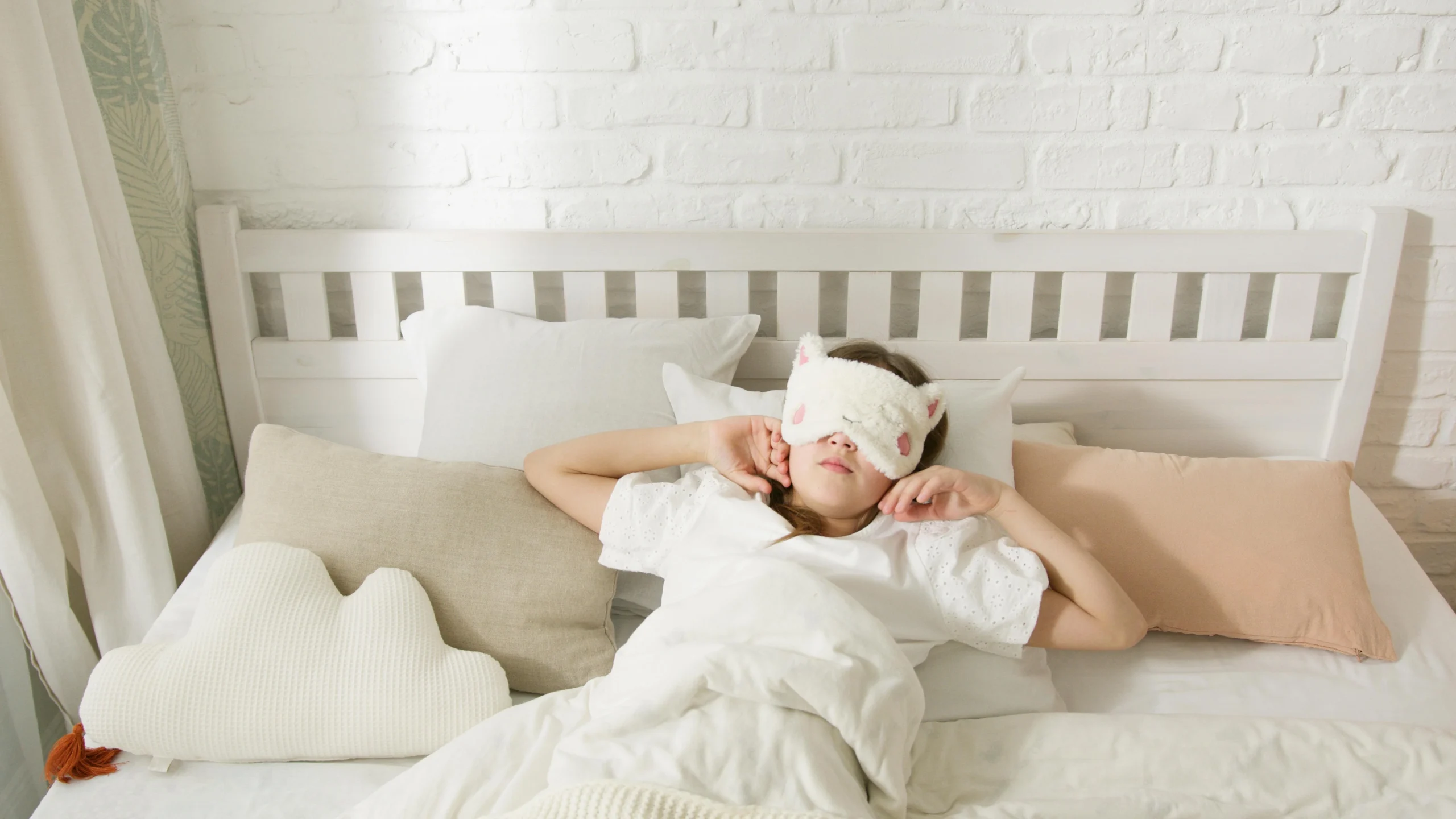
We already discussed temperature, but light and noise are equally critical variables to manage if you want to improve sleep quality. Even a tiny amount of ambient light can penetrate your eyelids and disrupt your rest cycles. Streetlights, passing cars, or the harsh glare of a neighbor’s porch light can keep you lingering in the lighter stages of rest. Blackout curtains are a phenomenal investment. If those are out of the budget, a comfortable, contoured eye mask does the exact same job.
Noise is another massive hurdle, especially if you live in a bustling city or share walls with noisy neighbors. Sudden, unpredictable sounds trigger your body’s fight-or-flight response, yanking you right out of a deep slumber. You might not fully wake up, but your rest architecture gets fragmented. White noise machines are brilliant for solving this problem. They create a consistent auditory blanket that masks sudden sound spikes. A simple box fan works just as well.
Then there is the matter of comfort. How old is your mattress? What about your pillows? If you wake up with an aching lower back or a stiff neck every morning, your body is physically fighting your sleeping surface all night long. Investing in supportive bedding tailored to your preferred sleeping position pays massive dividends for your daily energy levels.
Daytime Habits That Improve Sleep Quality
It is incredibly easy to view the day and the night as completely separate entities. But how you spend your waking hours directly dictates the quality of your evenings. You start building tonight’s rest the moment you wake up this morning.
Sunlight and Movement
Your circadian rhythm relies on contrasting signals. It needs stark darkness at night, but it absolutely craves bright light during the day. Getting outside into natural sunlight within the first hour of waking up is one of the strongest signals you can send to your biological clock. It halts whatever lingering melatonin is in your system and spikes your cortisol (the alertness hormone) at the appropriate time. A simple fifteen-minute walk in the morning sunshine sets a biological timer that helps you feel naturally sleepy twelve to fourteen hours later.
Physical activity is another powerful lever. Moving your body expends energy and builds up adenosine, a chemical that promotes sleep pressure. The more active you are, the stronger that pressure becomes by the end of the day. However, timing is everything. Vigorous exercise elevates your heart rate and core temperature. Doing a heavy workout right before bed has the opposite intended effect, leaving you wired and overheated. Try to wrap up any intense physical activity at least three hours before you plan to hit the mattress.
Caffeine and Evening Meals
We cannot talk about evening routines without addressing the elephant in the room: caffeine. Coffee is wonderful, but its half-life is remarkably long. Caffeine binds to those adenosine receptors in your brain, blocking the signals that tell you it is time to rest. Depending on your metabolism, a cup of coffee consumed at three in the afternoon can still be actively keeping your brain awake at eleven o’clock at night. Cutting off caffeine intake by midday is a non-negotiable habit for anyone serious about optimizing their evenings.
Food timing also plays a massive role. Digestion is an active, energy-intensive process. If you eat a massive, heavy meal right before lying down, your body has to work overtime to process that food. This raises your core temperature and increases the likelihood of acid reflux or indigestion. Aim to finish your last large meal about three hours before bed. If you genuinely feel hungry later in the evening, stick to a light, easily digestible snack like a handful of almonds or a banana.
Sleep Schedule Tips for Busy People
What if you work shifts? What if you have young children? It is easy to read about the perfect evening routine and feel completely overwhelmed because your life simply does not allow for a perfect two-hour wind-down period every night.
The secret is flexibility and focusing on what you can control. If you cannot maintain the exact same schedule every day, aim for anchors. Maybe you cannot control when you go to bed, but you can strictly control your morning wake-up time. Anchoring that morning hour helps stabilize your internal clock even if the nights are slightly chaotic.
If you are a shift worker dealing with sunlight at the wrong times, prioritize your physical environment. Blackout curtains become absolutely essential. Wear dark sunglasses on your commute home in the morning to prevent the sun from halting your melatonin production. Use melatonin-friendly, amber-colored lighting in your home as you prepare to rest.
When your schedule is unpredictable, your routine needs to become a portable ritual. Even if you only have fifteen minutes to wind down instead of an hour, do the exact same sequence of events. Wash your face, read three pages of a book, and do two minutes of deep breathing. This consistent micro-routine becomes a psychological trigger, telling your brain that despite the chaotic day, it is now time to shut down.
Frequently Asked Questions
How long does it take for a new evening routine to actually work?
Changing biological habits requires patience. If you have had poor habits for years, your circadian rhythm will not magically reset after one night of wearing an eye mask. Typically, it takes about two to three weeks of consistent practice for your body to fully adapt to a new schedule. Stick with your better sleep routine even if you do not see immediate miracles on night one.
Is it okay to take naps during the day?
Napping is a double-edged sword. A short, twenty-minute power nap in the early afternoon can do wonders for your cognitive function and mood. However, if you nap for hours, or if you nap late in the afternoon, you burn off that precious sleep pressure we talked about earlier. By the time night falls, you simply will not be tired enough to drift off.
What should I do if I wake up at 3 AM and cannot get back to sleep?
This is incredibly common. The absolute worst thing you can do is lie there, stare at the clock, and panic about being tired tomorrow. If you have been awake for more than twenty minutes, get out of bed. Go to a dimly lit room and do something incredibly boring. Read a dull magazine or do a simple jigsaw puzzle. Wait until your eyelids start feeling heavy again, and only then return to bed. You want your brain to associate the mattress exclusively with unconsciousness, not with midnight anxiety.
Does alcohol help you fall asleep?
While a glass of wine might make you feel drowsy and help you pass out faster, it absolutely destroys your sleep quality. As your body metabolizes the alcohol, it severely disrupts your REM cycles. You end up with fragmented, restless nights and often wake up feeling exhausted. Swapping evening alcohol for herbal tea is highly recommended.
Start Building Your Sanctuary Tonight
You do not have to implement every single one of these changes by tonight. Overhauling your entire life in twenty-four hours is a recipe for burnout. Instead, treat this as a menu of options. Pick one or two sleep hygiene tips for deeper sleep that resonate with you.
Maybe tonight, you simply decide to plug your phone in across the room instead of leaving it on your nightstand. Maybe tomorrow, you order a cheap eye mask. Next week, you could commit to lowering the thermostat by two degrees.
Small, incremental changes compound over time. By respecting your body’s natural rhythms, managing your exposure to light and temperature, and giving your brain the runway it needs to decompress, you can reclaim your nights. You deserve to wake up feeling genuinely refreshed, energized, and ready to tackle whatever the day throws your way. Make tonight the night you finally start prioritizing your rest.